
Essential Guides and Resources
Comprehensive articles on managing blood sugar through nutrition and lifestyle choices

Foods That Lower Blood Sugar Levels
A complete guide to understanding which foods help maintain healthy blood sugar levels. Our editorial team has compiled research-backed information to help you make informed dietary choices.
Explore our collection of articles covering practical nutrition strategies, food combinations, and daily habits that support balanced blood sugar management.
Browse by Topic

Low Glycemic Vegetables
Discover which vegetables have minimal impact on blood sugar levels. Learn about cruciferous vegetables, leafy greens, and other nutrient-dense options that support stable glucose levels throughout the day.
Read Article
Protein for Blood Sugar Balance
Understand how protein intake helps regulate blood sugar and maintain energy levels. Explore lean meats, fish, eggs, legumes, and plant-based sources that provide sustained satiety without rapid glucose spikes.
Read Article
Whole Grains and Fibre Content
Learn why whole grains are preferable to refined grains for blood sugar management. Explore oats, barley, quinoa, and other high-fibre options that slow glucose absorption and provide sustained energy.
Read Article
Low Glycemic Fruits
Not all fruits affect blood sugar equally. Discover berries, citrus fruits, and other options rich in vitamins and fibre that have a gentler impact on glucose levels while satisfying sweet cravings naturally.
Read Article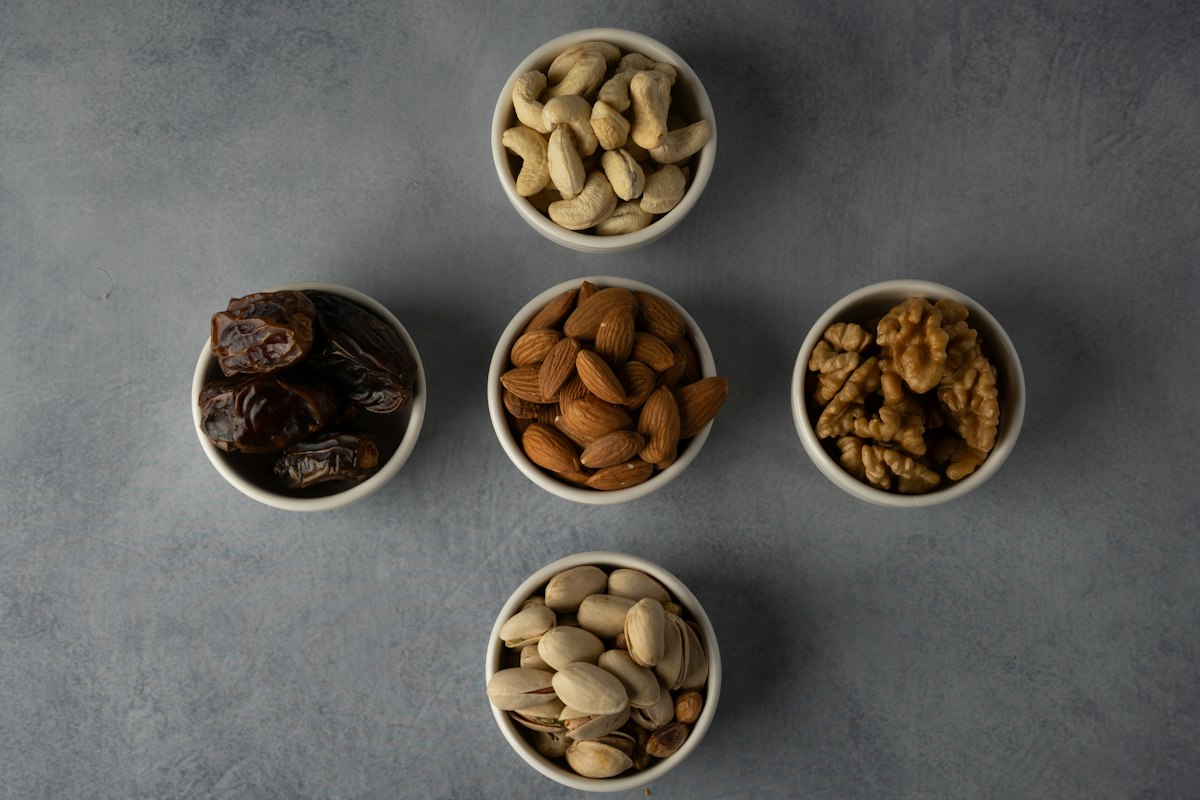
Healthy Fats Support Stability
Explore how unsaturated fats from olive oil, nuts, seeds, and avocados slow carbohydrate digestion. Learn to incorporate these foods strategically to improve overall blood glucose management and cardiovascular health.
Read Article
Spices and Herbs for Control
Discover how cinnamon, turmeric, ginger, and other spices may influence blood sugar response. Learn traditional uses and modern research on herbs that flavour meals while supporting metabolic health naturally.

Meal Planning Strategies
Practical guidance on structuring meals for steady blood sugar. Learn about portion sizes, meal timing, and food combinations that work together to minimise glucose spikes throughout the day.
Read Article
Exercise, Sleep and Stress
Blood sugar management extends beyond food choices. Explore how physical activity, adequate sleep, and stress reduction techniques influence glucose levels and overall metabolic function for better health outcomes.
Read ArticleWhy Blood Sugar Management Matters
Sustained Energy Levels
Stable blood sugar means consistent energy throughout the day. By choosing appropriate foods, you can avoid energy crashes and maintain productivity, mental clarity, and physical performance.
Long-Term Health
Proper nutrition habits support cardiovascular health, weight management, and overall wellbeing. Understanding food choices empowers you to make informed decisions for sustainable health outcomes.
Cognitive Function
Your brain relies on steady glucose supply. Balanced blood sugar supports concentration, memory, and mental performance throughout your work and daily activities.
Appetite Control
Stable blood sugar reduces cravings and helps regulate appetite hormones. This natural appetite management makes it easier to maintain healthy eating patterns without constant willpower.
Common Questions
What is glycaemic index?
The glycaemic index (GI) measures how quickly a food raises blood sugar levels. Low GI foods (below 55) cause slower, more gradual glucose increases, while high GI foods (above 70) cause rapid spikes. Choosing low to medium GI options helps maintain stable blood sugar throughout the day.
How does fibre help blood sugar?
Dietary fibre slows down carbohydrate digestion and glucose absorption into the bloodstream. This creates a gentler rise in blood sugar rather than a sharp spike. Foods like vegetables, whole grains, legumes, and fruits provide both soluble and insoluble fibre benefits.
Can I eat fruit if I want stable blood sugar?
Yes, but choose wisely. Berries, citrus fruits, and apples have lower sugar content and higher fibre than tropical fruits like mangoes or pineapples. Eating fruit with protein or healthy fat (like nuts or yoghurt) further reduces blood sugar impact.
What role does meal timing play?
Regular meal timing helps your body predict and regulate glucose levels more effectively. Eating balanced meals every few hours prevents extreme hunger and overeating. Breakfast should include protein and fibre to start your day with stable blood sugar.
How do proteins and fats affect glucose?
Proteins and healthy fats slow carbohydrate digestion, creating a more gradual blood sugar rise. They also increase satiety and prevent rapid glucose spikes. Combining carbohydrates with protein and fat at each meal is a practical strategy for blood sugar stability.
Are all sugars equally bad for blood sugar?
No. While refined sugars cause rapid spikes, natural sugars in whole fruits come with fibre, vitamins, and minerals. The key is context: eating sugar with fibre and protein is very different from consuming sweetened beverages or desserts. Whole foods are preferable to processed versions.
Reader Feedback
"The articles on low glycaemic vegetables completely changed how I approach lunch. I now understand why certain foods work better together, and my energy levels are noticeably more stable throughout the afternoon."
Sarah Mitchell
London, United Kingdom
"The meal planning guide was incredibly practical. Breaking down the science of fibre and protein combinations made everything click. I now feel confident choosing foods that support stable blood sugar naturally."
James Thompson
Edinburgh, United Kingdom
"Finally, a resource that explains the 'why' behind food choices rather than just listing restrictions. The article on healthy fats and how they affect digestion was enlightening and immediately useful in my kitchen."
Emma Richardson
Manchester, United Kingdom
Explore Our Recipes
Browse practical recipes designed with blood sugar management in mind. Each recipe includes nutritional insights to help you make informed meal choices.
View Recipe CollectionAdditional Resources
Nutrition Science Basics
Understand the fundamental concepts of carbohydrate metabolism, insulin response, and how different nutrients interact. This section covers essential knowledge to make sense of nutrition recommendations and food labels.
Learn MoreLifestyle Integration
Beyond diet, explore how sleep quality, physical activity, stress management, and daily routines influence blood sugar stability. These factors work together to create comprehensive wellbeing and energy balance.
Learn MoreHave Questions About Our Content?
Our editorial team welcomes feedback, questions, and suggestions for future articles. Reach out to help us create more valuable resources for your health journey.Contact Our Team